


Pok Pok | Montessori Preschool
4.7383.00 Reviews
App Specs
- Version
- 49.4.0
- Updated On
- License
- Free
- Downloads
- 100,000+
- Developer
- Pok Pok
- Categories
- Education
- Platform
- Android
Screenshots
 Analysis by AppCompare
If you’re on the lookout for an app that makes learning fun for little ones, let me tell you about Pok Pok | Montessori Preschool. This delightful app brings the magic of Montessori right to your fingertips, making it a fantastic tool for both parents and educators.
A calm kind of digital play
My main impression is that this is best understood as a space for young children to explore, not a miniature school that promises a lesson for every minute. That distinction matters. Some preschool apps push children through quizzes, rewards, and a fixed sequence of tasks. Pok Pok leans toward open-ended interaction, which can suit a child who learns by trying things, changing direction, and returning to an activity in their own time.
Pok Pok is an educational app from developer Pok Pok, aimed at children from two to eight. It is free to download, with in-app purchases ranging from $3.99 to $89.99 per item, so I’d treat the initial download as a chance to judge the style before deciding whether any paid option makes sense for your family. It has an Everyone age rating, a 4.7 average from around 2.5K ratings, and over 100K installs. Those figures suggest that many families have tried it, but the more useful question is whether its relaxed, exploratory approach fits the child in front of you.
What children actually get from exploring
I’d use this section to focus on what open-ended screen play can invite a child to notice: choices, reactions, and ideas they may want to try again. The most useful measure isn’t whether a session looks like a formal lesson, but whether the child stays curious and can tell you what caught their attention. That makes it easier to judge which kinds of exploration suit them best.
A World of Exploration
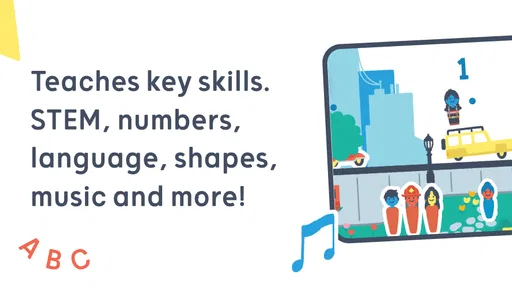
The app is packed with a variety of activities that cater to different learning styles and interests. Whether your child is into music, art, or puzzles, there’s something here for everyone. The beauty of this app is in its versatility. Kids can learn numbers and letters while also developing critical thinking skills through engaging games.
One of the standout features is the open-ended play. There are no strict rules or limitations, which encourages creativity and independence. It’s all about letting kids be kids, exploring and learning in a way that feels natural to them.
That freedom also changes how I’d introduce it. Rather than handing over a device and expecting a child to find a “right” activity, I’d sit nearby for the first few minutes and let them choose what catches their attention. A simple prompt—“What do you think will happen if you try that?”—can turn tapping into observation without taking over. After the child understands how to move around, stepping back gives them room to make their own discoveries.
Worth Reading Before You Choose

EA SPORTS FC Mobile 26 Is a Bigger Football Game, but It Takes Time

Flipboard Shows What News Apps Must Do Beyond the Feed

Switching to Android Auto Means Rethinking Your Driving Routine

Google Calendar Makes a Crowded Week Easier to Manage

Ludo King Makes the Most of the Minutes Between Plans

Baby Panda World Brings Quick Play to Modern Phones, but Its Game Library Feels Busy
A practical example is a short stretch of quiet time while a parent prepares a meal. I’d set the device somewhere the child can use comfortably, agree that this is a brief play window, and let them pick an activity. When the meal is ready, asking them to describe what they made or noticed offers a natural stopping point. The app can occupy a child, but it works better as one part of a routine than as a substitute for conversation, toys, outdoor time, or shared reading.
Montessori Magic
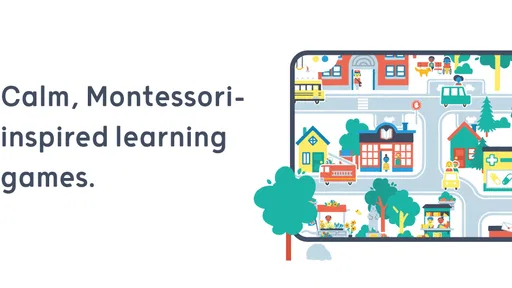
As someone who appreciates the Montessori method, I was thrilled to see how well it’s integrated into the app. The activities are thoughtfully designed to promote self-directed learning, a core principle of Montessori education. Kids are encouraged to experiment and make discoveries on their own, fostering a sense of curiosity and confidence.
Plus, the app is ad-free, which means no distractions. Hallelujah! It’s just pure, uninterrupted learning time for your little scholar.
For me, the meaningful distinction is not that a screen can replace hands-on Montessori materials; it can’t. Digital play is more convenient in some moments, while physical objects offer touch, movement, and the chance to work alongside an adult. I’d use Pok Pok as a complement: a way to offer a child a self-directed activity when a physical setup is impractical, not as the whole plan for early learning.
It also helps to think of “learning” broadly. An open-ended activity may give a child practice making choices, noticing cause and effect, or sticking with an idea, even when it does not look like a worksheet with a visible score. If you want a clear sequence of lessons and immediate right-or-wrong feedback, a structured phonics or counting app may be a better match. If you value exploration more than a measurable lesson-by-lesson path, this format makes more sense.
Offline use and everyday routines
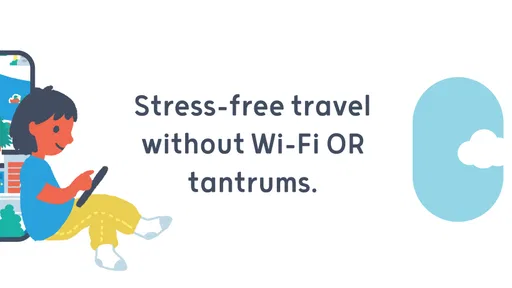
One useful detail for families on the move is that the app can be used without wi-fi. I’d prepare it before leaving home and check that the activities you plan to use are available on the device, then treat it as a backup for a long journey, a waiting room, or a quiet moment away from a reliable connection. Offline access is convenient, but it doesn’t make a screen automatically suitable for every travel situation: a child who gets restless looking down for too long may still do better with a book, a snack, or a chance to move around.
For shared devices, I’d make a small routine around access rather than relying on the app to manage the whole transition. Decide when play begins and what happens when it ends, then give a gentle warning before stopping. That is especially useful for children who find it difficult to switch activities. A predictable boundary can matter more than the particular activity on screen, and it keeps the app from becoming the default answer whenever a child is bored.
Parents’ Peace of Mind
Let’s talk about the parental controls because, let’s face it, they’re a lifesaver. The app allows you to set playtime limits, so you don’t have to worry about screen time getting out of hand. Plus, the progress tracker gives you insights into what your child is learning and how they’re developing their skills.
And if you’re worried about content, rest easy. The app is regularly updated with new activities, ensuring that the content remains fresh and relevant. It’s like having a little Montessori classroom in your pocket!
I’d still use those parent features as aids, not as a replacement for checking in. A limit can help make the end of a session less arbitrary, while progress information can give you a starting point for talking about what interested your child. It should not be treated as a complete picture of development: what a child chooses to explore on a device is only one small part of what they can do, understand, or enjoy away from it.
If you’re setting it up for a younger child, it’s worth exploring the parent-facing options before handing over the device. That way, you can decide how the session should fit your household and avoid trying to adjust settings in the middle of play. For a child who is already comfortable navigating a tablet, you may need less initial help, but occasional shared play can still reveal which activities hold their attention and which ones leave them unsure.
Where it may not fit
The open-ended approach is also its main trade-off. Children who want a clear instruction, a defined goal, or frequent encouragement may need an adult beside them, and a child who prefers fast rewards may lose interest. Parents looking for a formal curriculum, a visible progression through lessons, or a replacement for a teacher-led activity should compare it with more structured educational apps instead.
Age range alone can’t tell you whether the experience will suit a particular child. A confident older preschooler may enjoy making choices without much support, while a younger child may need you to show how to begin and help them move on when they get stuck. I’d judge it by watching the first few sessions: does the child explore calmly, ask questions, and return to an activity, or do they quickly become frustrated and ask for constant direction? That observation is more useful than assuming every child in the intended age group will respond the same way.
There is also a practical cost question. Although the app is free to download, in-app purchases are available, so families should check what is included and what would require payment before making it a regular part of a child’s routine. I wouldn’t build a routine around an option until I knew it suited our needs and budget. The broad price range makes it especially sensible to review the purchase choices carefully rather than assuming every part of the experience is included at no cost.
Room for Growth
While the app is packed with features, I’d love to see more language options in the future. Expanding the language offerings could open up even more doors for bilingual learning, which would be a huge plus.
Also, while the app is designed for preschoolers, a few activities could benefit from more guidance or hints to help little ones stay on track without getting frustrated. Small tweaks like this could elevate the user experience even further.
Those points affect who I’d recommend it to. It seems most promising for caregivers who are comfortable letting a child explore, are willing to join in when needed, and want a screen activity that does not revolve around competition or constant scoring. It is less compelling for families whose priority is bilingual instruction, tightly sequenced academic practice, or an experience children can navigate independently from the very first moment.
The version number is 49.0.2, and the app is listed for a minimum OS of 8.1. Before installing, I’d check that the device meets that requirement and has enough room for another app. For travel, I’d also open it while connected to the internet before relying on it offline; that quick preparation is an easy way to avoid discovering a setup issue when a child is already waiting for something to do.
The Verdict
Overall, Pok Pok | Montessori Preschool is a gem of an app that brings education and play together in a seamless, engaging way. It’s perfect for parents who want to provide their children with a quality learning experience that’s both fun and educational.
So, if you’re ready to turn learning into an adventure, give this app a try. Your little one will thank you, and who knows, you might just learn a thing or two yourself!
My recommendation is conditional but clear: I’d try it for a child who enjoys open-ended play and for a family that wants a calm, portable option to mix into an existing routine. I would not choose it as the sole learning tool, or as the first pick for a child who needs step-by-step teaching and frequent prompts. Used in short, intentional sessions alongside real-world play, it has a sensible place in a young child’s day.
Pros
- Engaging and educational activities.
- Montessori-based learning approach.
- Kid-friendly and safe environment.
- Encourages creativity and exploration.
- Regular updates with new content.
Cons
- Limited features in free version.
- Requires internet for some activities.
- May not suit older children.
- Subscription cost can be high.
- Device storage usage is significant.
FAQs for Pok Pok | Montessori Preschool
What is Pok Pok | Montessori Preschool and how does it work?
Pok Pok | Montessori Preschool is an educational app designed for young children, utilizing the Montessori method. It offers a variety of interactive activities that encourage exploration and learning through play. The app focuses on developing critical thinking, creativity, and problem-solving skills in a safe, ad-free environment.
Is Pok Pok | Montessori Preschool suitable for my child’s age?
The app is specifically designed for preschool-aged children, typically between 2 to 6 years old. Its activities are crafted to cater to this developmental stage, ensuring that your child engages with content that is age-appropriate and beneficial for their cognitive and emotional growth.
What educational benefits does Pok Pok | Montessori Preschool offer?
Pok Pok | Montessori Preschool provides numerous educational benefits, including the development of fine motor skills, language acquisition, mathematical reasoning, and social-emotional learning. The app’s Montessori-based approach encourages self-directed learning, helping children build independence and confidence in their abilities.
Is Pok Pok | Montessori Preschool safe for my child to use?
Yes, the app is designed with child safety in mind. It is free from advertisements and in-app purchases, ensuring a distraction-free and secure environment. The content is carefully curated to be age-appropriate, and the app includes parental controls to monitor and manage your child’s usage.
Does Pok Pok | Montessori Preschool require an internet connection?
Pok Pok | Montessori Preschool can be used offline, which is ideal for parents who want their children to engage with the app during travel or in areas with limited internet access. However, an internet connection may be needed for initial download and occasional updates to access new content.


